


Что такое СПУРТ
СПУРТ – это программно-техническая платформа для создания Диспетчерских пунктов (ДП) АСУТП предприятий с непрерывным технологическим циклом и территориально распределенными технологическими объектами.
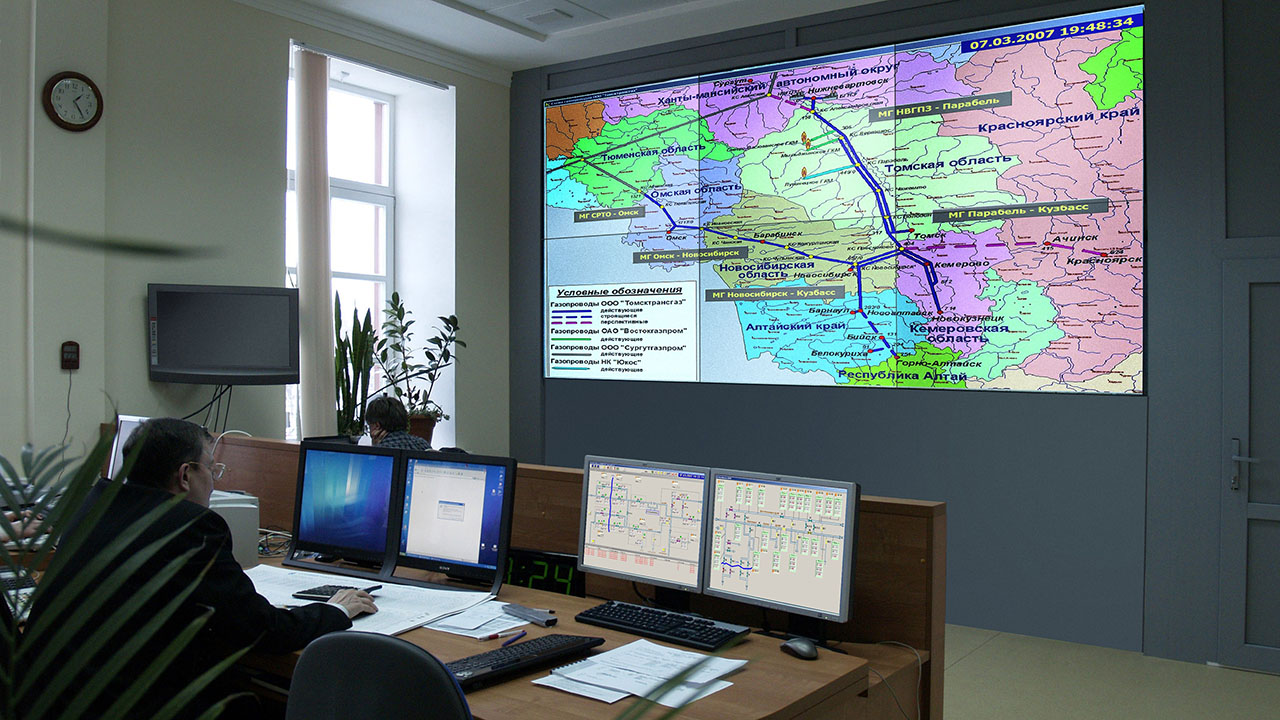
СПУРТ – это программно-технический комплекс, предназначенный для создания Диспетчерских пунктов (ДП) систем оперативного диспетчерского управления (СОДУ) технологическими процессами. На базе ПТК СПУРТ могут быть созданы диспетчерские пункты как сосредоточенных, так и территориально распределенных объектов. СПУРТ особенно эффективен при создании распределенных многоуровневых систем управления.
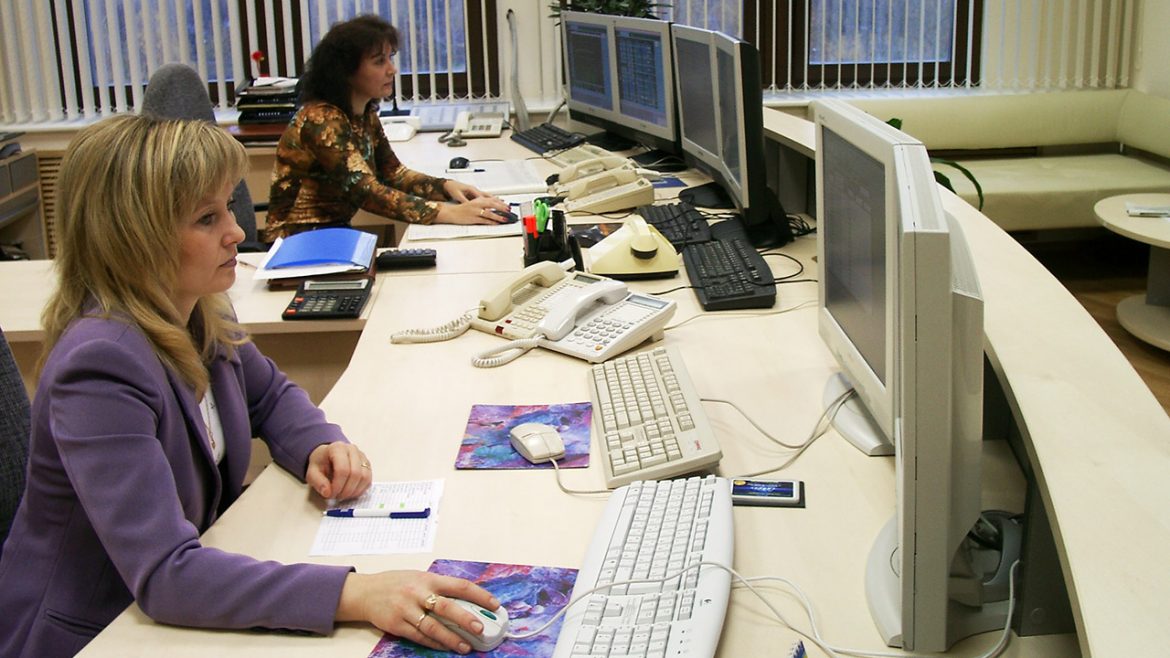
СПУРТ представляет собой набор отработанных и готовых к внедрению модулей, на базе которых после настройки на объект реализуется Диспетчерский пункт, удовлетворяющий индивидуальным техническим требованиям заказчика. Исходя из особенностей конкретного объекта управления, выбирается наиболее подходящее решение с точки зрения функциональности, надежности и цены.
Когда применяется СПУРТ
СПУРТ применим для создания как простых Пунктов управления локальными системами, так и для реализации многоуровневых СОДУ больших компаний с территориально распределенными технологическими объектами. СПУРТ позволяет быстро объединять различные системы локальной автоматики и телемеханики в единую интегрированную АСУТП, производить обмен информацией между объектами и уровнями управления в реальном масштабе времени. СПУРТ часто используется при реконструкции АСУТП, когда сохраняя полевое оборудование и линии связи, диспетчерский пункт меняется на более современный.
СПУРТ является эффективным и надежным решением для диспетчерских пунктов, требующих:
- Ведения иерархической базы данных реального времени со встроенной обработкой информации.
- Стыковки с внешними системами нижнего и верхнего уровней по различным протоколам, в том числе нестандартным.
- Информационного обмена между объектами и уровнями управления в реальном времени.
- Многопользовательской работы.
- Стыка с системами АСУ ПХД на основе реляционных баз данных (SAP/R3, ORACLE, MS SQL и др.).
- Резервирования, высокой надежности при работе в непрерывном режиме 24/7.
- Решения специальных задач (обнаружение утечек, расчет ключевых показателей эффективности и т.п.).
Компоненты СПУРТ
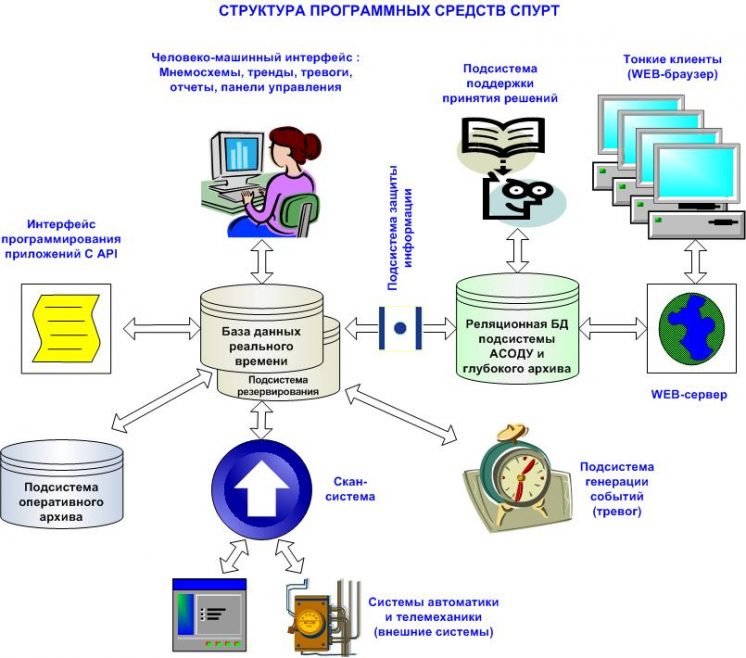
ПТК СПУРТ объединяет систему диспетчерского контроля и управления (СДКУ) и систему поддержки принятия диспетчерских решений (СППДР).
СДКУ
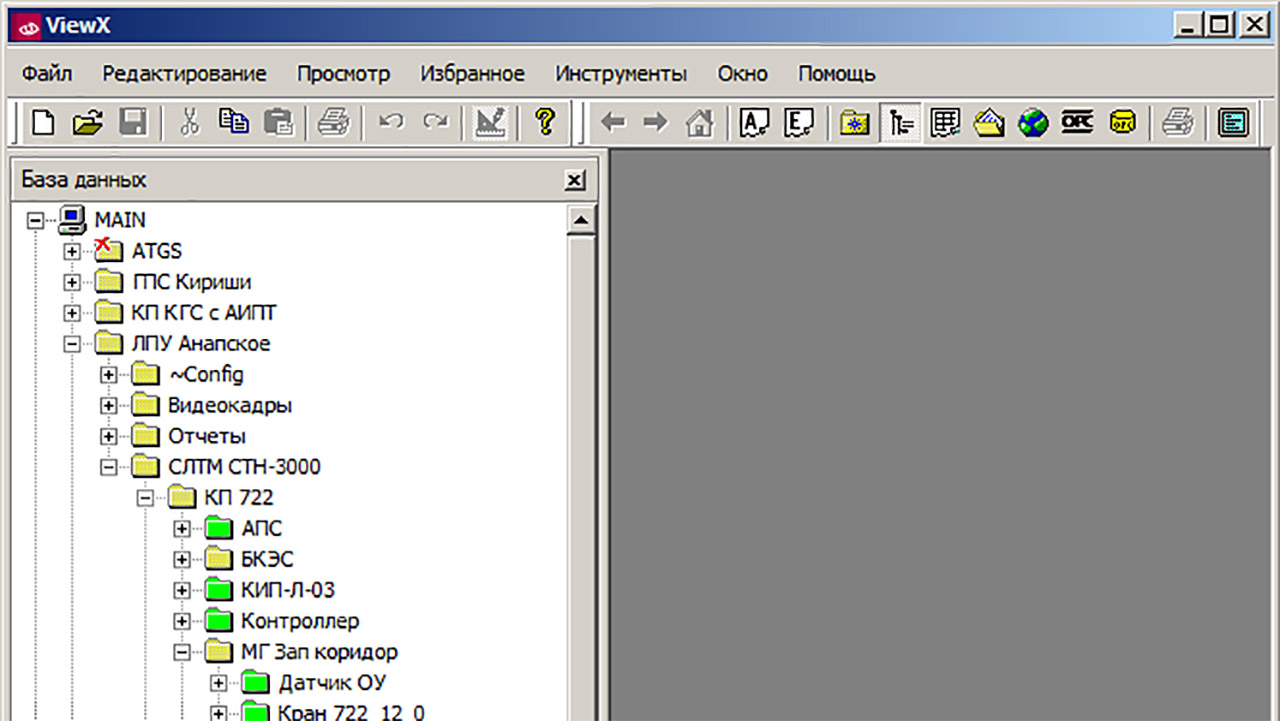
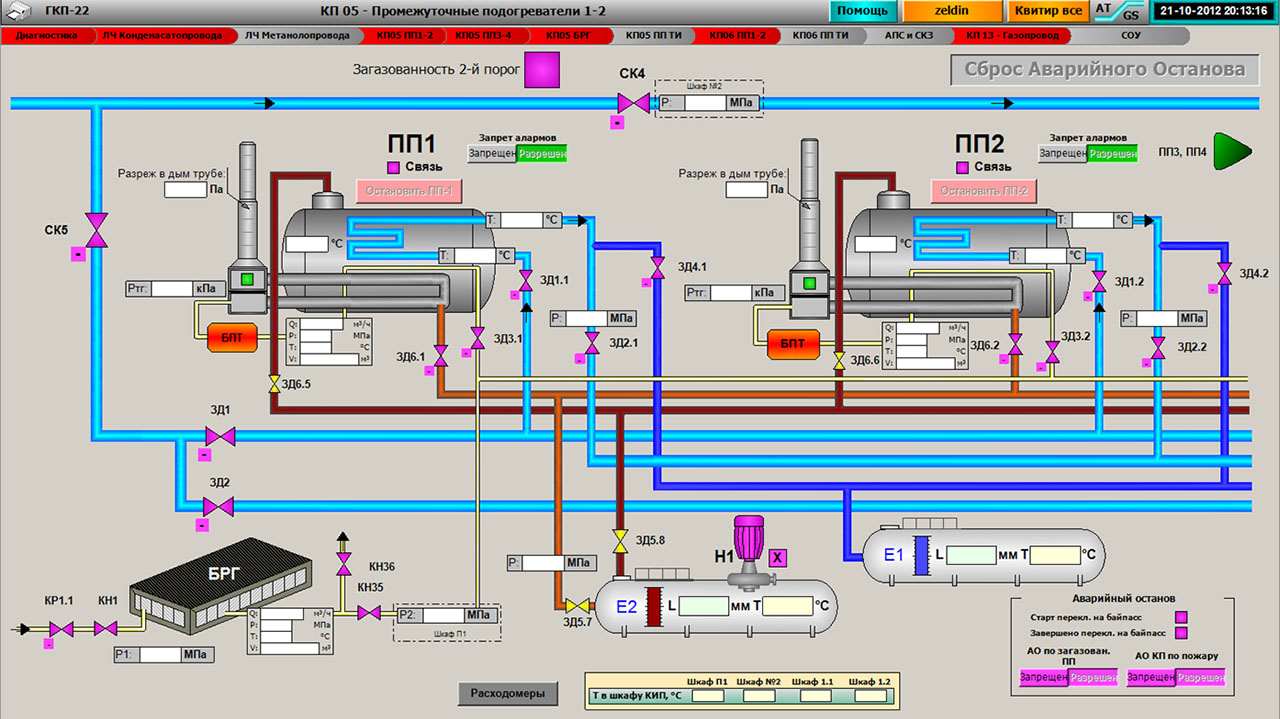
СДКУ предназначена для сбора и отображения параметров технологического процесса от локальных систем автоматики и телемеханики в режиме реального времени, автоматизированного дистанционного управления и регулирования технологическими объектами, информационного обмена со смежными системами, предоставления данных в СППДР.
СДКУ может выполняться в следующих модификациях, в зависимости от выбранной операционной системы:
- СПУРТ-LX – операционная система Linux (RHEL, Ubuntu);
- СПУРТ-Win – операционная система Windows;
- СПУРТ-UX – операционная система UNIX (HP-UX, Sun Solaris).
Возможна реализация СДКУ с серверами под управлением Linux/UNIX и АРМ под управлением Windows.
СППДР
СППДР предназначена для оказания помощи диспетчеру и специалистам производственных отделов в принятии решений на основе всеобъемлющей информации о технологическом процессе и объекте управления: данных реального времени, оперативных и долговременных архивов, режимных (2-часовых) и суточных параметров диспетчерской отчетности, результатов технологических расчетов, автоматического контроля параметров. СППДР включает следующие модули:
- подсистему глубокого архива и отображения информации через интранет (ПГА/ИНТ);
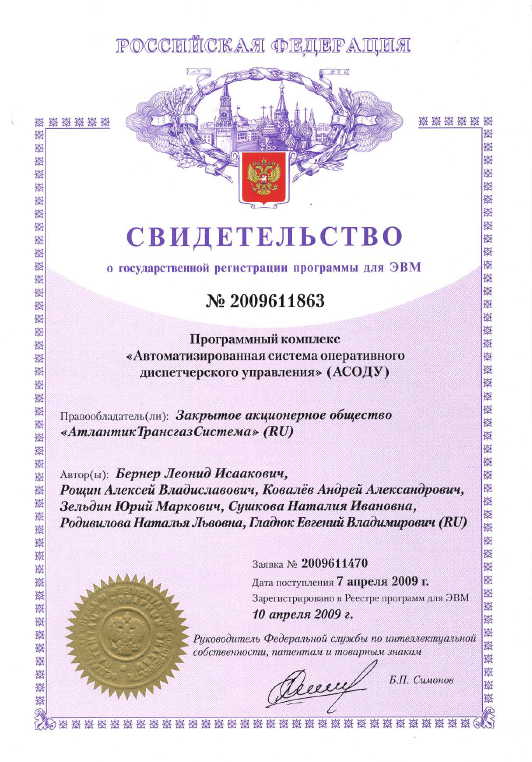
- автоматизированную систему оперативно-диспетчерского управления (АСОДУ);
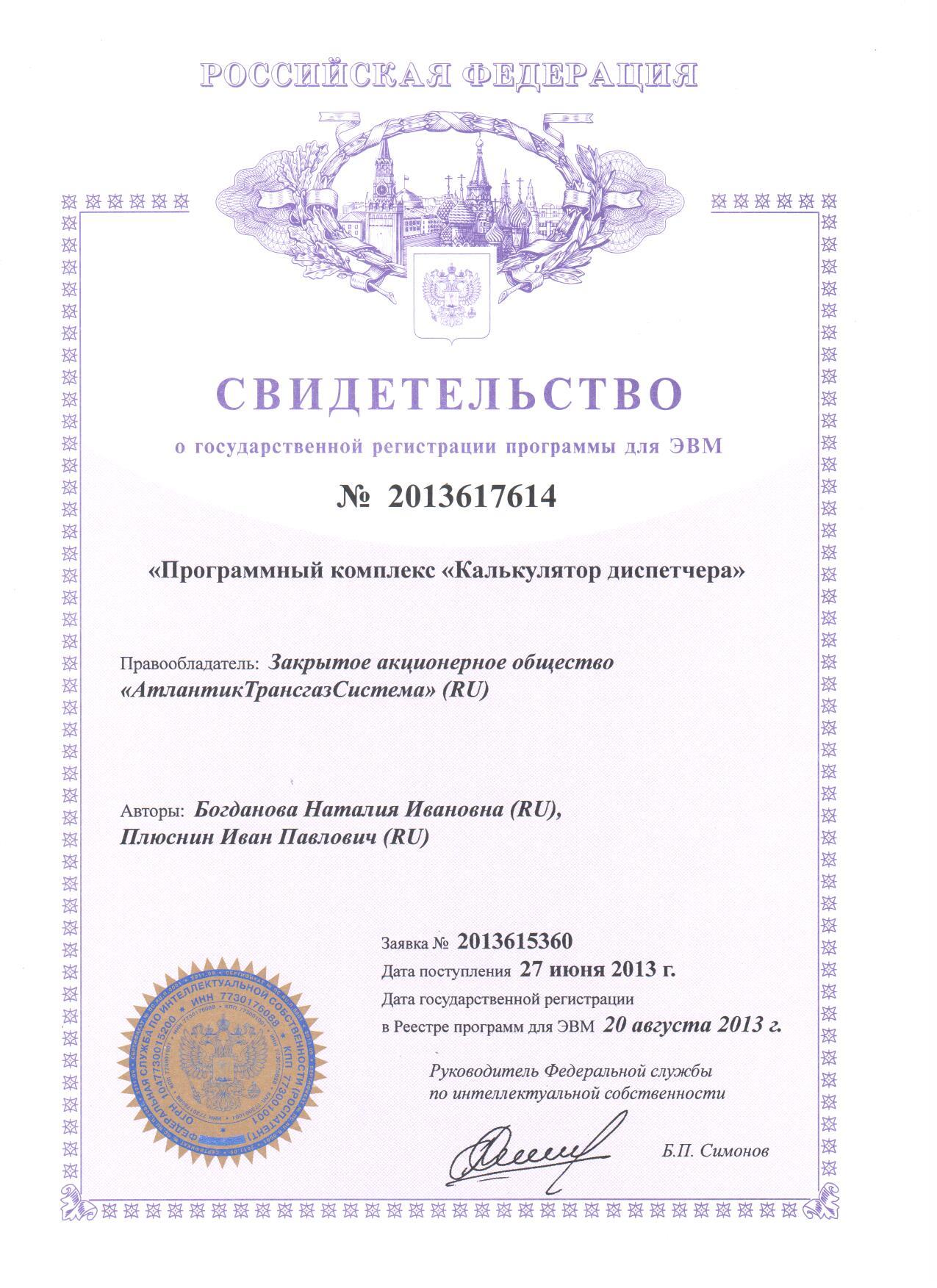
- программный комплекс (ПК) «Калькулятор диспетчера»;
- подсистему выявления нестандартных ситуаций (ПВНС);
- систему поддержки принятия решений (СППР).
ПГА/ИНТ предназначена для ведения долговременного архива параметров технологического процесса в формате реляционной базы данных, их статистического анализа, информационного обмена с внешними системами по протоколу ODBC, а также для предоставления видеокадров, трендов и событий подсистемы СДКУ администрации и специалистам Предприятия через интранет (веб-интерфейс).
АСОДУ предназначена для решения прикладных и сервисных задач диспетчерского управления:
- ведения электронного диспетчерского журнала (ЭДЖ) для контроля режимной (2-часовой) и суточной информации о состоянии технологического объекта, включая учет и контроль качества газа;
- планирования и фактического учета поставок газа потребителям;
- планирования и фактического учета расхода газа на собственные и производственно-экономические нужды;
- ведения оперативного и месячного баланса газа по статьям расхода, формирование актов приема-передачи газа;
- выполнения технологических расчетов (расчет запаса газа, товарно-транспортной работы и т.п.);
- предоставления данных в виде таблиц и графиков, формирования и печати отчетно-учетных документов;
- предоставления информации на верхний уровень управления, смежным предприятиям, информационного обмена с программными комплексами моделирования и паспортизации.
ПК «Калькулятор диспетчера» предназначен для проведения диспетчерских расчетов специалистами газотранспортных и газодобывающих предприятий. Состав и алгоритмы расчетов приведены в СТО Газпром 3.3-2-024-2011 «Методика нормирования расхода природного газа на собственные технологические нужды и технологические потери магистрального транспорта газа». ПК «Калькулятор диспетчера» является расширением подсистемы АСОДУ.
Подсистема выявления нестандартных ситуаций предназначена для комплексного анализа значений технологических параметров СДКУ на допустимость и непротиворечивость. ПВНС позволяет выявить неявные ошибки в программном обеспечении Диспетчерского пункта, отказы оборудования КИПиА на начальной стадии и таким образом повысить достоверность данных в системе.
Система поддержки принятия решений предназначена для оказания помощи диспетчеру при управлении сложными трубопроводными системами (многониточными, закольцованными и т.п.) в штатном и нештатном режимах. В штатном режиме СППР обеспечивает расчет и визуализацию потоков газа в трубопроводной системе. В нештатном режиме СППР, на основе анализа параметров реального времени, автоматически определяет участок разрыва трубопровода и предоставляет диспетчеру рекомендации по его локализации из экспертной базы знаний.
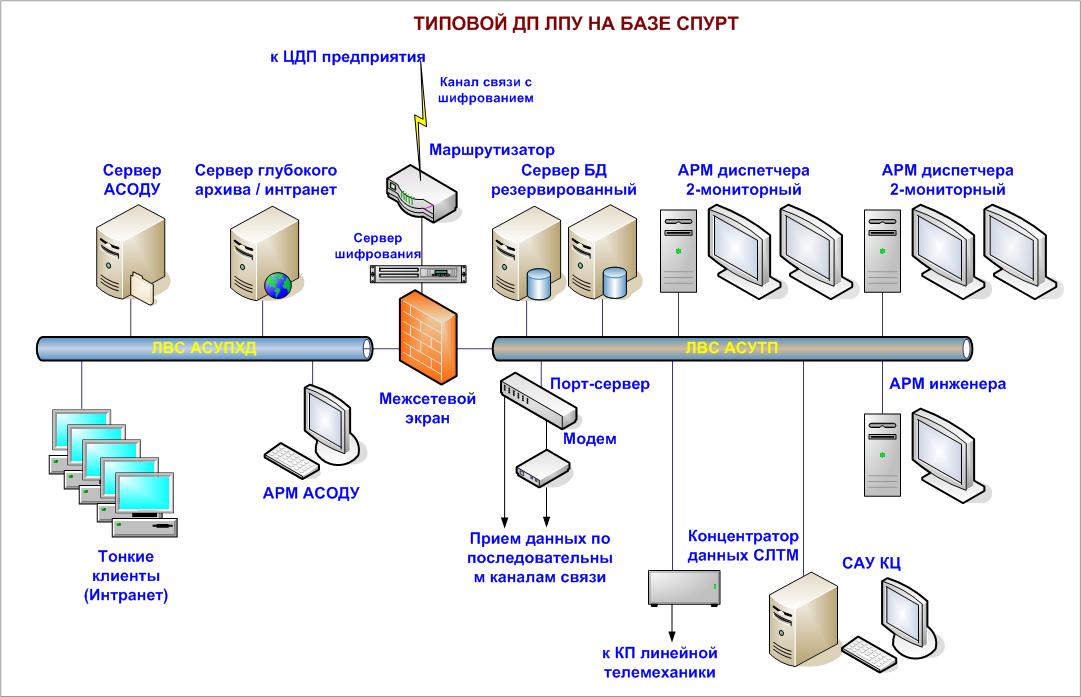
Все компоненты ПТК СПУРТ связываются друг с другом посредством локальной или глобальной вычислительной сети на основе стека протоколов TCP/IP. Обеспечивается возможность как горизонтального, так и вертикального (в многоуровневых системах) обмена информацией между компонентами СПУРТ.
Подробные описания компонентов СППДР приведены в отдельных буклетах.
Российская разработка
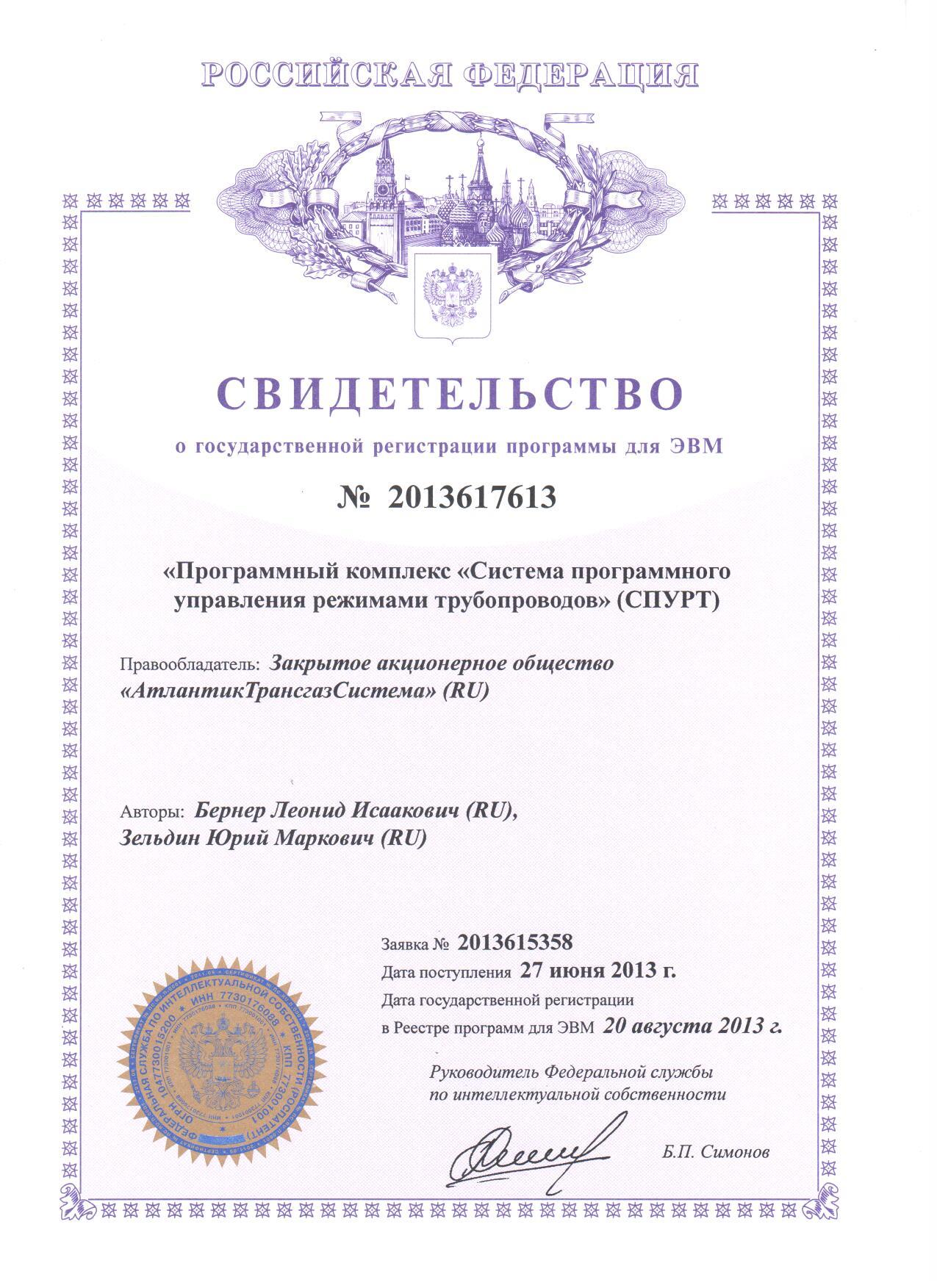
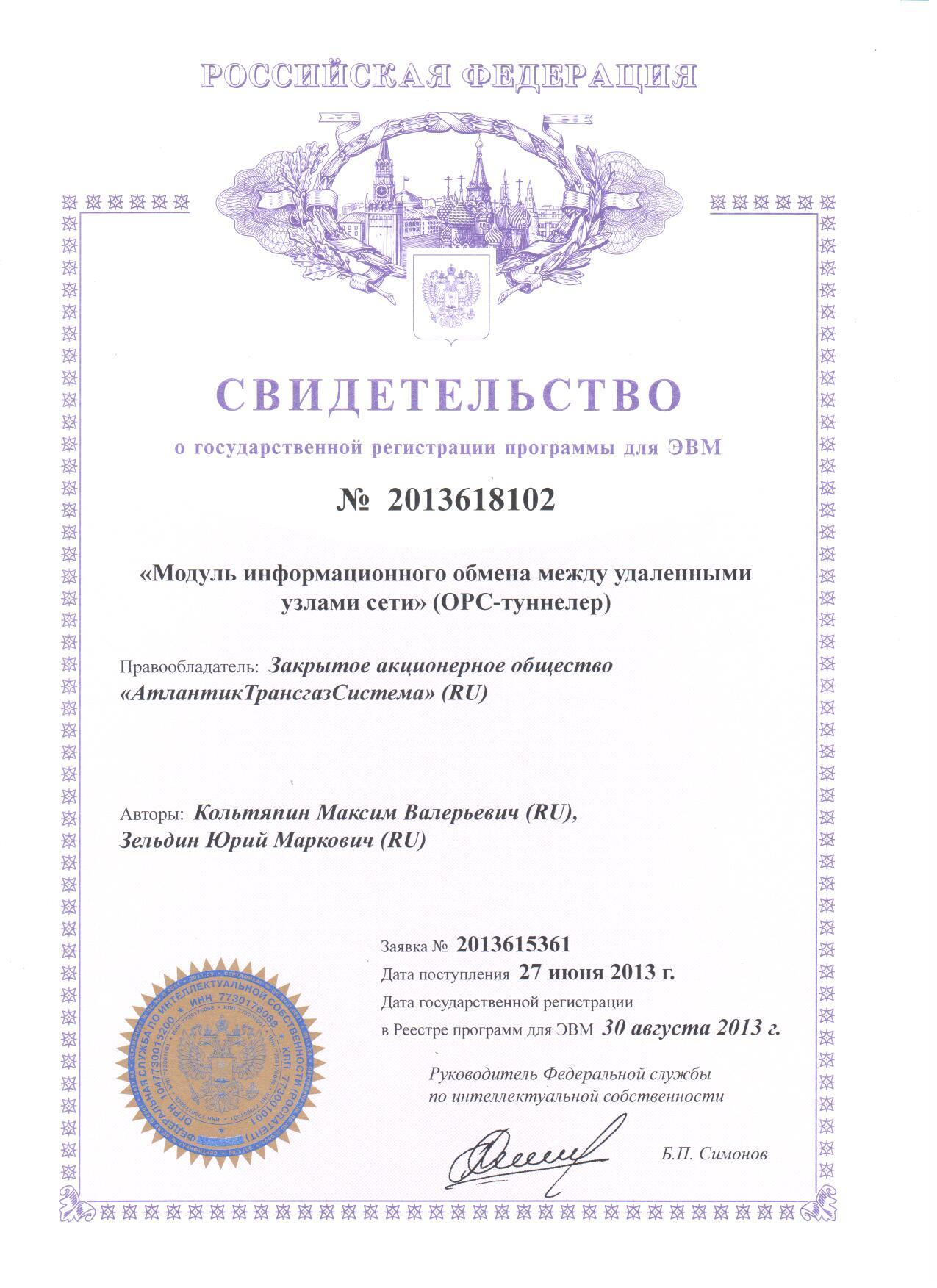
Идеология СПУРТ, структурные решения и компоненты специально разработаны для отечественных заказчиков с учетом ГОСТ, РД, СТО, особенностей автоматизации в РФ. ПТК СПУРТ и его отдельные компоненты разработаны АО «АТГС» и защищены Свидетельствами о государственной регистрации программ для ЭВМ. Программно-технический комплекс СПУРТ имеет сертификат соответствия требованиям ТР ТС 004/2011 «О безопасности низковольтного оборудования» и ТР ТС 020/2011 «Электромагнитная совместимость технических средств».
Внедрения
На базе программно-технического комплекса СПУРТ и его компонентов АО «АТГС» разработало и внедрило более 100 Диспетчерских пунктов в газовой и нефтяной промышленности России, в том числе:
- ООО «Газпром трансгаз Чайковский»: многоуровневая СОДУ в составе Центрального ДП (ЦДП), резервного ЦДП, двенадцати ДП линейных производственных управлений магистральных газопроводов (ЛПУ МГ);
- ООО «Газпром трансгаз Томск»: многоуровневая СОДУ в составе ЦДП и восьми ДП ЛПУМГ;
- ООО «Газпром трансгаз Волгоград»: многоуровневая СОДУ в составе коммуникационной системы ЦДП и четырнадцати ДП ЛПУМГ;
- ООО «Газпром трансгаз Казань»: многоуровневая СОДУ в составе ЦДП и четырех ДП ЛПУМГ;
- ООО «Газпром добыча Уренгой»: ЦДП системы телемеханики (СТМ) межпромыслового коллектора (включая Систему поддержки принятия решений), четыре Пункта управления СТМ кустов газовых скважин, ПУ СТМ метанолопровода, ПУ СТМ конденсатопровода;
- ООО «Газпром трансгаз Санкт-Петербург», ООО «Газпром трансгаз Югорск», ООО «Газпром трансгаз Нижний Новгород», ООО «Газпром трансгаз Краснодар», ООО «Газпром добыча Оренбург», ООО «Транснефть-Балтика», ОАО «Газпромнефть-ОНПЗ», ОАО «НК «Роснефть», ОАО «Новатэк», ОАО «Лукойл» и др.
Приемочные испытания
Многоуровневая система оперативно-диспетчерского управления ООО «Газпром трансгаз Чайковский» на базе программно-технического комплекса СПУРТ в июне 2005 г. успешно прошла приемочные (межведомственные) испытания ПАО «Газпром» и рекомендована к тиражированию на предприятиях газовой отрасли России.
СПУРТ-Р
В рамках реализации программы импортозамещения АО «АТГС» разработало и успешно применяет в проектах модификацию программно-технического комплекса (ПТК) СПУРТ на полностью российских компонентах – СПУРТ-Р.
Подробно о СПУРТ-Р.